Step Off the Train and Into Tranquility

Today we explore sustainable stays: eco‑lodges and farm B&Bs within walking distance of rural train stations. Imagine arriving by rail, strolling past hedgerows to a cozy room warmed by renewable energy, then savoring produce grown a few fields away. Discover practical tips, inspiring stories, and ways to travel lighter, connect deeper, and support communities that thrive without cars.

Arrive by Rail, Breathe Deeper

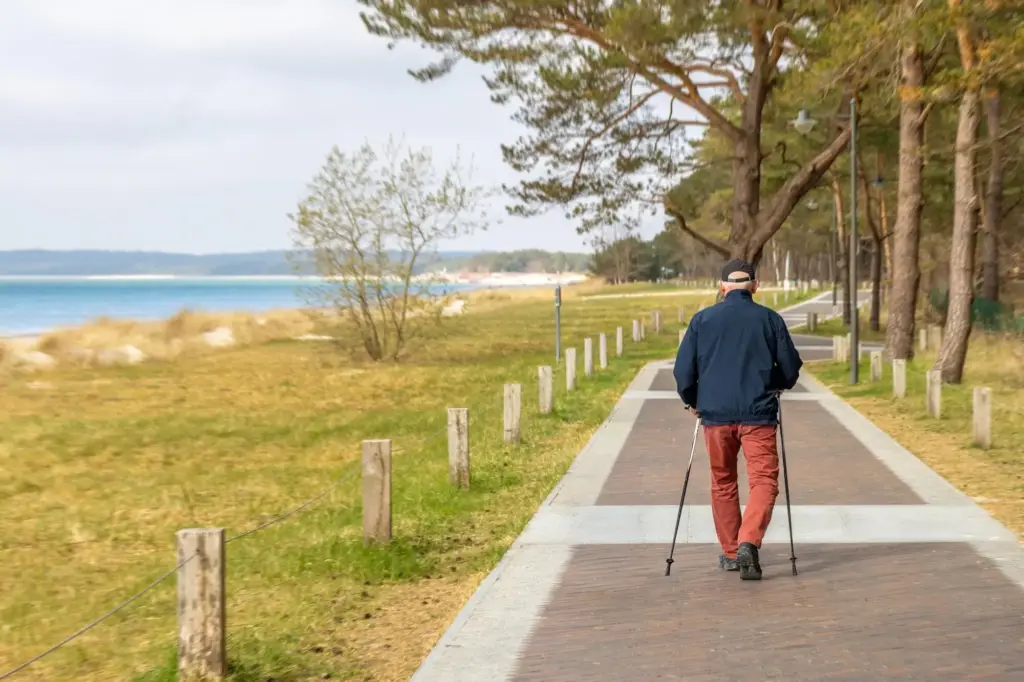
Trading traffic for timetables changes everything. When your journey ends with a short walk from the station, the countryside greets you at human speed—birds over cut hay, boot-friendly lanes, and unhurried smiles. This gentle arrival reduces emissions, quiets the mind, and sets the tone for a restorative, genuinely place-based escape.

Design That Treads Lightly and Lives Well

Comfort and conscience can share the same roof. Thoughtful lodges balance natural materials, passive design, and efficient systems with generous daylight and irresistible textures. When architecture invites windows to open, boots to dry, and stories to gather around low‑energy warmth, guests sense care, durability, and the quiet pride of choices made for tomorrow.

Choosing Places a Short Stroll Away

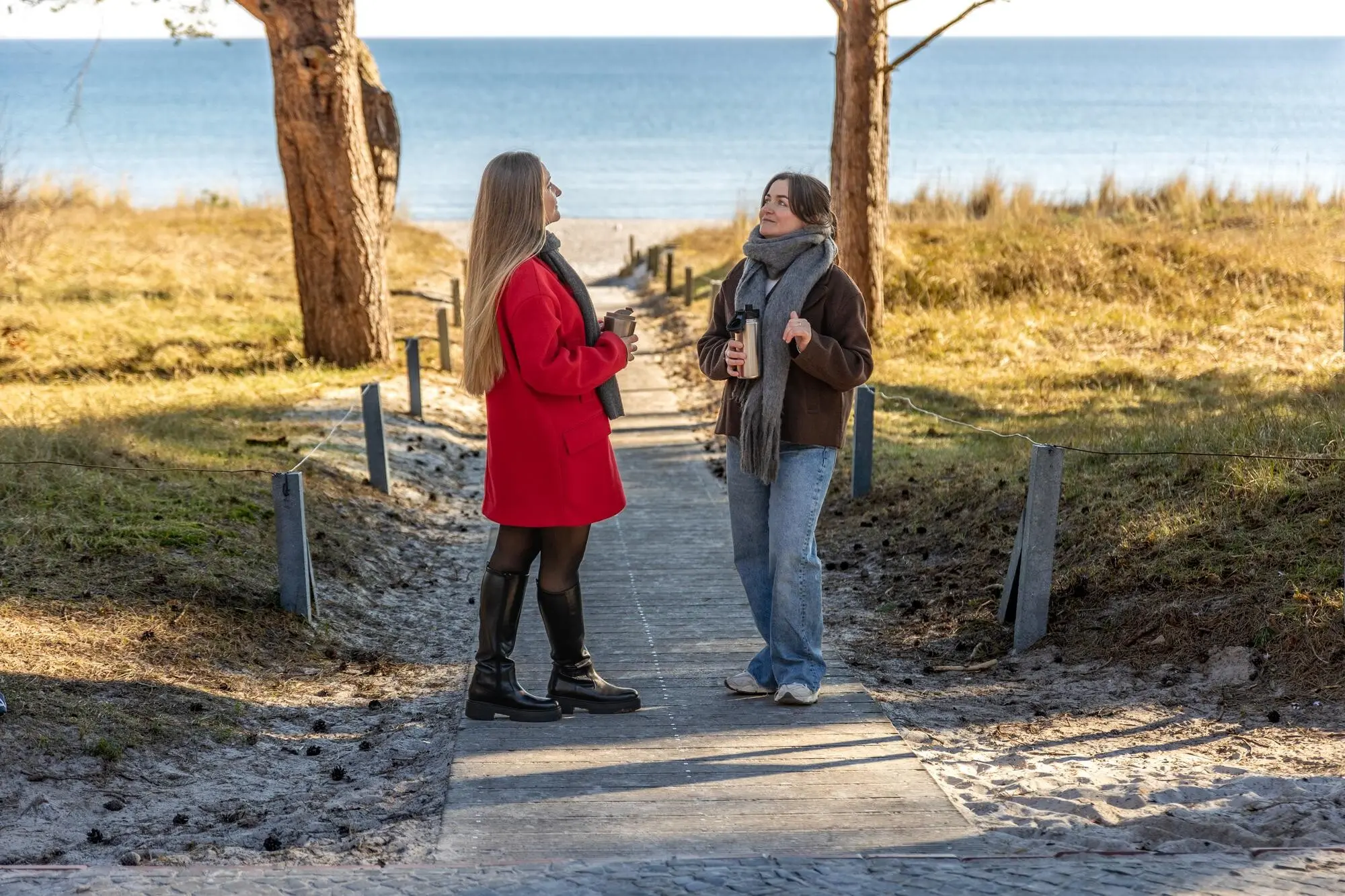
Location is a promise kept with footsteps. Prioritizing under‑twenty‑minute routes on safe, attractive paths invites wider audiences, including families and travelers carrying small bags. Consider winter darkness, gradients, and muddy seasons, then design signage, surfaces, and rest points so the walk feels welcoming in July sunshine and November drizzle alike.

01

Map Craft: Turning Lines Into Welcome

Great hosts translate mapping apps and paper rights‑of‑way into lived experience: which gate latch stiffens, where sheep graze, when a verge narrows. Include photos, GPX files, and offline notes. Partner with local councils or trail groups to improve stiles and waymarks so every guest’s first walk becomes a small victory.

02

Accessibility Without a Car

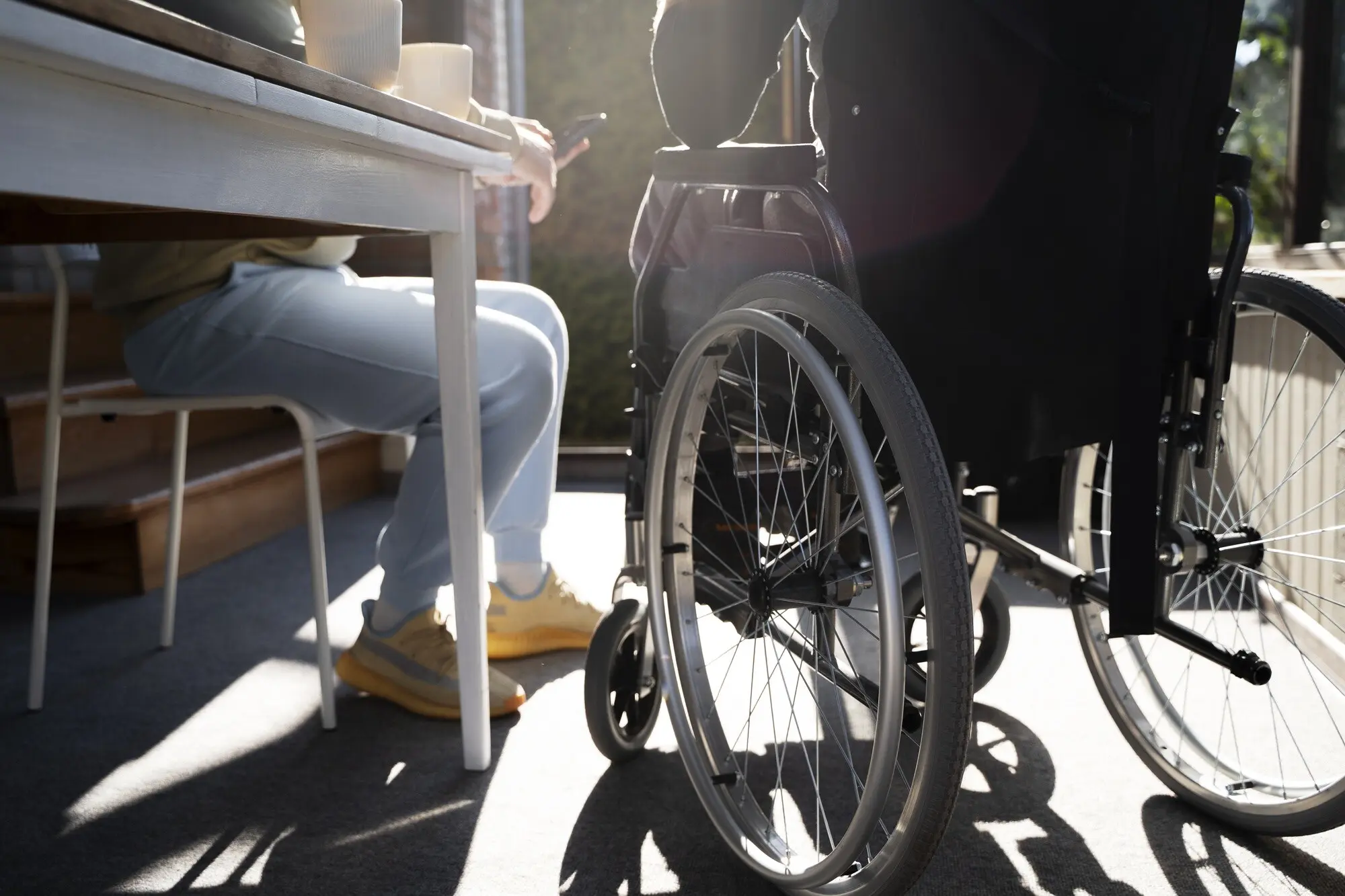
Car‑free should not mean exclusive. Offer step‑free alternatives from the station, luggage trundles or handcarts, resting spots, and precise terrain descriptions. Coordinate with rail staff about platform lifts and request‑stop etiquette. When travelers with different needs feel considered, the countryside broadens, and independence grows with every careful meter walked.

03

Safety, Seasons, and Soft Edges

Daylight shifts, hedges thicken, and rivers swell. Share torch recommendations, reflective tags for backpacks, and advice on footwear. Trim nettles, add solar markers, and mind nesting calendars. Small, anticipatory gestures make evening arrivals feel calm, ensuring the last hundred meters are lit by confidence as much as by lamps.
Morning Chores as Gentle Encounters
Invited, never obligated, guests can collect eggs, feed lambs from bottles, or turn compost with a satisfying hiss of steam. Clear hygiene protocols, handwashing stations, and respectful boundaries keep animals calm and people safe, while quiet conversations transform routine into memory and deepen appreciation for skilled, patient husbandry.

Stories at the Kitchen Table

Weather maps beside seed packets make the best dinner conversation. Farmers explain why a late frost changed the jam, or how train timetables guide deliveries to market. These human details anchor place, counter greenwashing, and remind travelers their payment supports practices that nourish landscapes, not extract from them.

Operations Tuned to the Timetable

Caring logistics make car‑free easy. Align check‑in windows with the key trains, offer warm holding spaces for early arrivals, and publish the return walk’s timing by daylight. A small drying room, thermos refills, and emergency snack jars signal foresight, turning uncertain edges into a reliably soft landing.

Timetable‑Aligned Welcome

Share live links, last‑train alerts, and request‑stop guidance in confirmations. Offer a friendly wave at the station on stormy days, not a shuttle by default. When travel plans wobble, clear communication, flexible tea times, and a well‑lit porch reduce stress and keep the entire journey deliciously simple.

Gear That Saves a Rainy Afternoon

Umbrellas, gaiters, spare socks, local paper maps, and a towel‑warmed rail can rescue spirits in minutes. Add boot dryers, walking poles, and a small repair kit for zips and straps. Preparedness becomes part of the charm, proving comfort is compatible with light packing and weather’s honest surprises.

Feedback Loops That Teach and Delight

Invite guests to trace their route on a big map, note puddles, and suggest bench spots. Review energy dashboards together, celebrate savings, and share recipes. Such reciprocal learning builds loyalty, turns visitors into advocates, and helps hosts improve the path for the next pair of bootprints.

Plan Your Next Car‑Free Escape

Start with a rail line you already love, then scan for stays you can reach on foot in under twenty minutes. Pack lighter, book shoulder seasons, and favor places that publish walking directions. Share discoveries, subscribe for route ideas, and help this network of gentle journeys grow stronger together.

A Small Packing List With Big Impact

Choose layered clothing, compact rain gear, a soft‑flask bottle, and shoes that dry overnight. Add a torch, reflective patch, lightweight microspikes for frost, and a hearty snack. Travel journals and train‑friendly board games turn delays into laughter, while reusable containers keep impulse buys delightfully waste‑free.

Spotting the Real From the Vague

Look for energy details, water practices, and clear walk instructions rather than generic green icons. Ask about farm certifications, habitat projects, and staff transport. Honest answers signal substance. Your questions reward caretakers doing the slow work, and they nudge others to match sincerity with measurable action.