
Step Off the Platform and Onto the Path
Designing Effortless Station-to-Station Routes
Travel Light: The Magic of Bags That Follow You
Local Encounters Between Platforms and Pastures
Safety, Navigation, and Sustainable Choices
Using Rail as a Low-Carbon Backbone
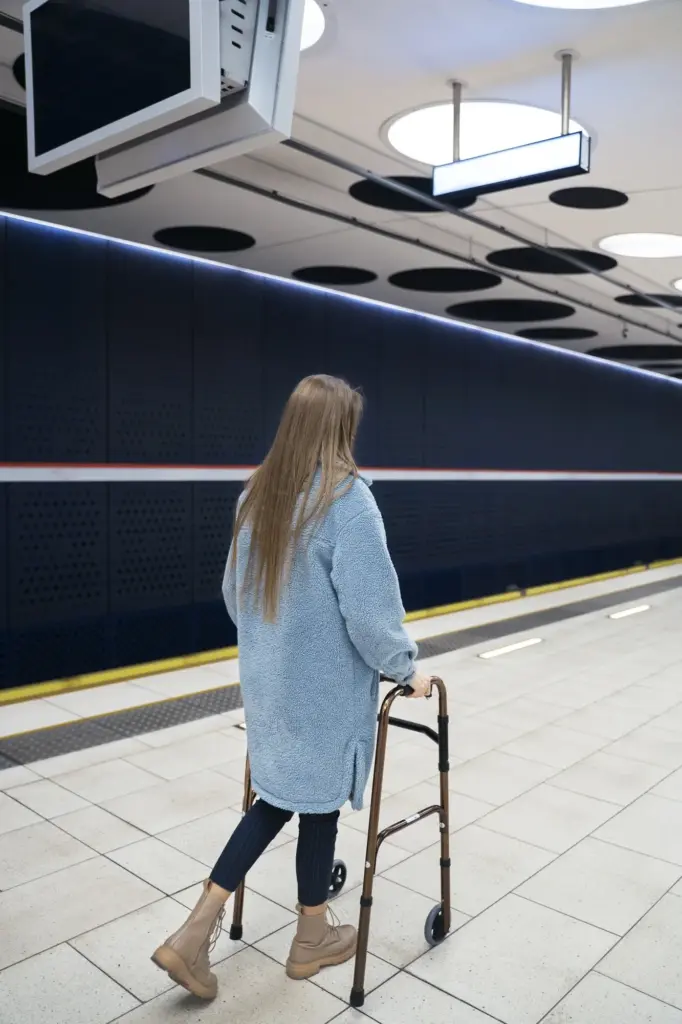
Rail is a beautifully efficient spine for exploration. Instead of taxi shuttles or parked cars, you board light, disembark light, and let steel tracks lift heavy logistics. Off-peak tickets, regional passes, and tactically chosen termini reduce costs and crowds. Stations concentrate services—water, shelter, information—so fewer lay-bys get trampled into muddy scars. When you tell hoteliers you arrived by train, you often earn route suggestions and appreciative smiles. It is a humble, practical pride: leaving landscapes quieter than you found them while experiencing more, not less.
Navigation Tools That Respect Nature
Balance the romance of paper maps with the assurance of digital breadcrumbs. Preload topographic layers, download GPX routes from trusted sources, and bring a power bank for cold days. Avoid geotagging sensitive habitats; instead, describe experiences without revealing nesting coves or rare orchids. Consider using apps with offline public transport overlays to pivot gracefully if paths close. Keep group discussions about route changes democratic and calm. When tools serve humility, you navigate not as conquerors but as guests, reading lanes and larches with listening attention.
Seasonality, Weather, and Trail Etiquette
Spring lambing, summer heat, autumn gales, and winter twilights each rewrite the margins of safety and joy. Pack accordingly, adjust ambitions, and celebrate turning back when prudence whispers. Learn to read clouds and underfoot clues: saturated moss, cracking clay, or icy bridges. Practice trail etiquette that feels like kindness—yielding on narrow stiles, soft voices near cottages, and considerate photo stops off the path. When you fold trains and weather into your planning, journeys gain resilience, and memories carry the glow of wisdom rather than luck.
Three Days Through Heather and Heritage

Alpine Meadows by Slow Lines
Join the Journey: Community, Feedback, and Next Steps
Share Your Station-to-Station Story
Subscribe for Fresh Tracks and Timetable Tricks
Suggest a Route, We’ll Map It Together
All Rights Reserved.