Leave the Keys at Home: England’s Countryside by Rail and Foot
Set your sights on hedgerows, moorland edges, and seaside cliffs without hiring a car or wrestling with parking. This guide shows you how to plan a car‑free countryside getaway in England using rail connections and public footpaths, weaving station platforms into trailheads, village greens, cozy inns, and sweeping views that reward every step.

Designing a Seamless Rail Backbone
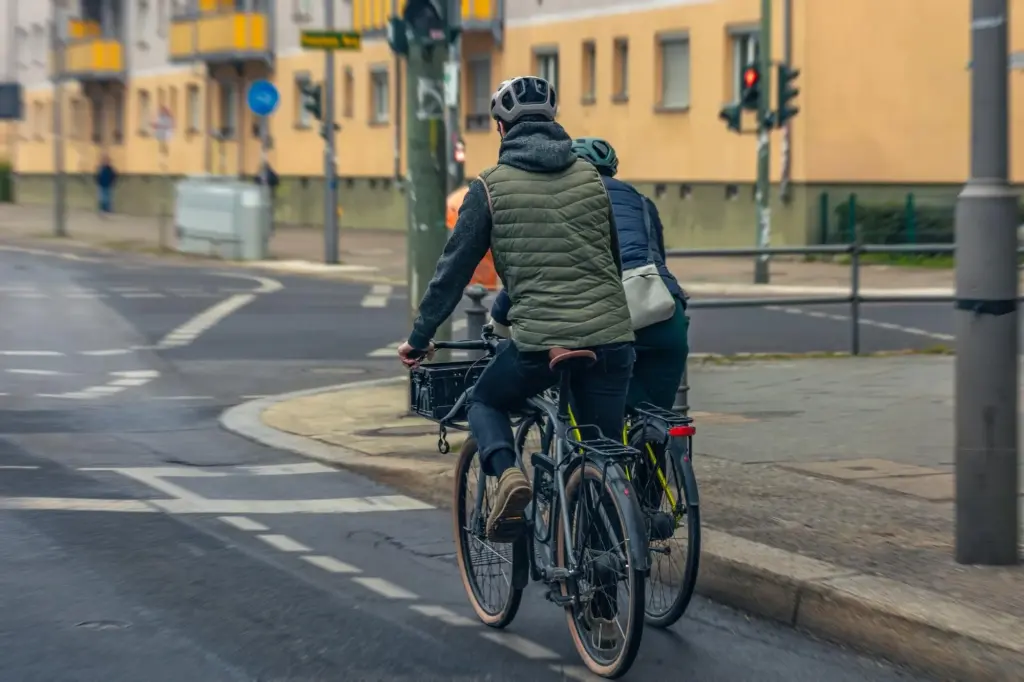
Strong journeys begin with simple, reliable links. Build your escape around frequent mainline routes and characterful branch lines, so you arrive relaxed and ready to walk. Study departure patterns, pad transfers generously, and prefer stations with facilities, clear wayfinding, and quick access to public rights of way directly from the concourse or a short stroll.

Mastering Public Footpaths and Rights of Way

Understanding Waymarks, Stiles, and Gates

Yellow arrows mark public footpaths, blue arrows mark bridleways, and white‑on‑black acorns denote National Trails. Expect stiles, kissing gates, and waymarked posts where paths cross walls or hedges. Keep dogs under close control near livestock, close gates behind you, and follow the trodden line across cropped fields, remaining vigilant for seasonal path diversions around sensitive habitats.

Maps, Apps, and Legal Lines on the Ground

Carry OS Explorer sheets or use the OS Maps app with downloaded areas for signal‑poor valleys. Dashed green lines show footpaths; longer dashes highlight bridleways; open‑access land appears with yellow tint and brown edge. GPX routes help, yet a paper map plus compass keeps you independent when batteries fade or woodland canopies confuse GPS reception on cloudy days.

Countryside Code, Wildlife, and Farming Rhythms

Paths cross working landscapes. During lambing, calving, and nesting seasons, give animals space and remain calm and steady. Stick to the line even when desire paths tempt shortcuts. Leave no trace, avoid lighting fires, and pack out litter. A considerate pace through fields and lanes nurtures goodwill, preserves habitats, and welcomes future walkers who follow your footsteps.

Three Car‑Free Weekend Blueprints

Try these station‑to‑station ideas that braid trains to trails, with daily mileage that fits long, talkative lunches. Each outline includes an arrival suggestion, a rewarding walk, and an easy exit back to rail. Adjust distances using clear cut‑offs, honest weather checks, and your group’s appetite for ascents, cliff‑top breezes, or riverside meanders between welcoming villages.

Where to Sleep Within a Short Walk of the Platform
Look for village inns, B&Bs, and hostels that sit between the station and your first gate onto a footpath. Scan maps for back‑street shortcuts and well‑lit pavements. Request ground‑floor rooms if carrying bulky packs. Early breakfasts ease departures toward morning trains, and friendly pub rooms often offer drying racks for boots after a spirited, rain‑kissed wander.

Eat Locally, Pack Snacks Wisely

Pub kitchens, bakeries, and farm shops stitch flavour into your route. Buy picnic bits the evening before to dodge early closing times, especially Sundays. Carry high‑energy snacks, a collapsible cup, and a one‑litre bottle for frequent refills. Ask staff about tap water, seasonal specials, and discreet places to sit, then savour your meal with map‑spreading anticipation.

Travel Light, or Arrange a Gentle Assist

A thirty‑litre pack, quick‑dry layers, and compact toiletries keep steps springy on hills. If walking inn‑to‑inn along popular trails, pre‑book luggage transfer so your shoulders enjoy the views too. Either way, limit spares, prioritise warmth and waterproofing, and leave space for a pastry, guidebook, or that irresistible local jam discovered after a golden afternoon.

Weatherproof, Safe, and Smooth

English weather moves like a spirited companion—sometimes mischievous, often inspiring. Prepare so showers feel like texture, not trouble. Dress in adaptable layers, protect maps and phones, and build generous turn‑back points. The best plans blend ambition with mercy, always keeping daylight, footing, and morale in harmony across lanes, ridgelines, cliff‑tops, and whispering woodland corridors.

Walk Lightly, Give Back, and Stay Connected

Car‑free travel shines brightest when it uplifts the places you visit. Spend where you tread, share gratitude, and protect the paths under your boots. Celebrate local craft, respect quiet hours, and leave landscapes better than you found them. Then pass the inspiration onward, inviting others to trade car keys for rail tickets and joyful footsteps.

Support the Places You Visit

Choose independent cafés, refill shops, and family‑run inns near stations. Donate to path‑care initiatives like The Ramblers or National Trails partnerships. Leave considerate reviews that mention walkability and footpath access. A few mindful pounds nudge communities to keep platforms welcoming, gates mended, and village greens lively for the next pair of muddy, smiling boots.

Care for Paths and Each Other

Step single file through crops, yield kindly on narrow bridges, and keep voices low near cottages at dawn. Pack out every scrap, including biodegradable litter. Dogs belong close and calm around livestock. If a path is waterlogged, widen as little as possible. Courtesy expands the path for everyone, even where hedges grow tight and stiles creak weathered greetings.